https://www.straitstimes.com/life/travel/tourist-traps-in-south-east-asia-fake-orphans-and-floating-market-scams
Tourist traps in South-east Asia: Fake orphans and floating-market scams
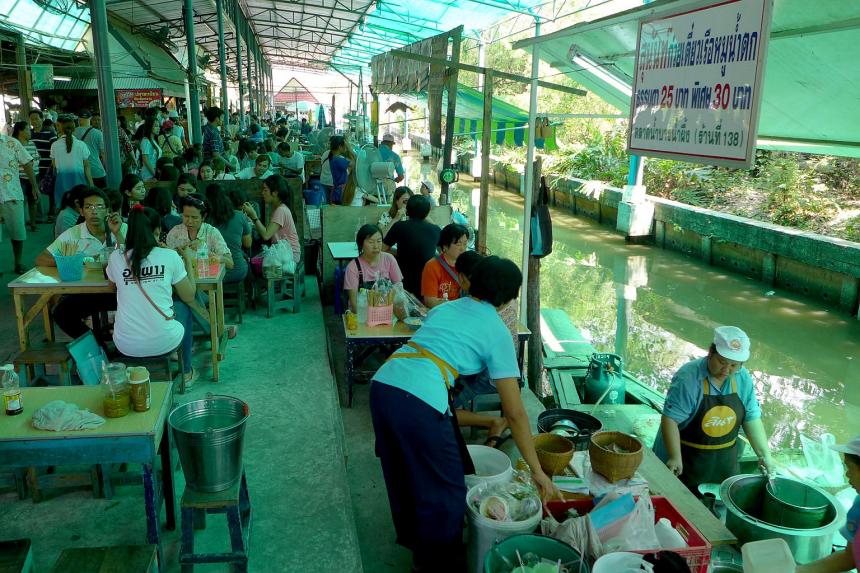
BANGKOK - South-east Asia is blessed with a host of spectacular attractions, but also cursed by many tourist traps.
On the surface, some sites look enticing but, in reality, they are hollow experiences, uninspiring locations or straight-up scams, all designed to empty the wallets of tourists.
Based on my decade of living and travelling in South-East Asia, here are five of the biggest tourist traps I have encountered.
1. Bali: Besakih Temple
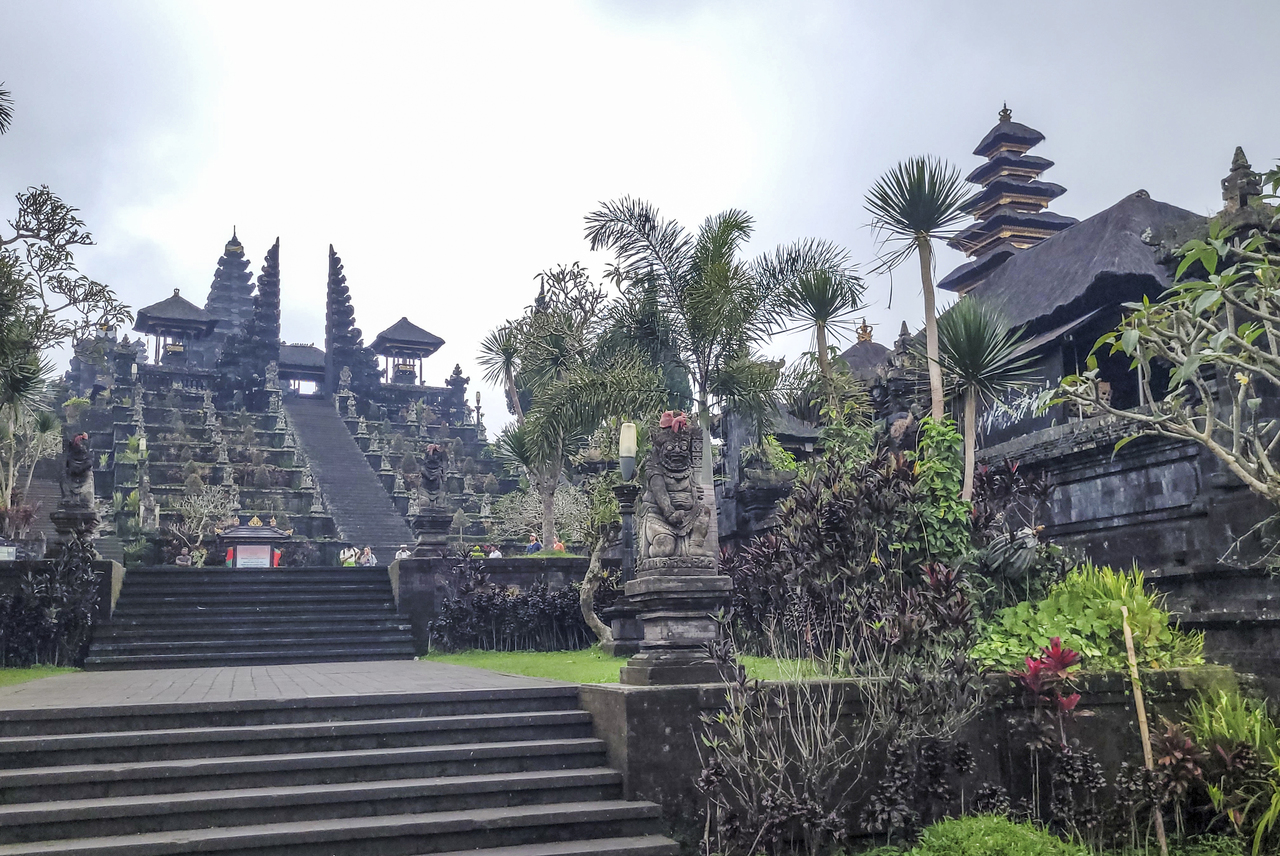
I visited more than a dozen Hindu temples in Bali this year, and each time, my knowledgeable Balinese driver Made came with me and explained the story of these wondrous complexes.
Which is why I was shocked when he said he would not go inside Bali's biggest temple, Besakih. "Trust me," he said. "It will cause too much trouble."
As we approached this mountainside temple in eastern Bali, he explained that the residents of the Besakih area considered it their property and objected to any outsiders, even other Balinese people, profiting from this site.
If he came with me into this sprawling complex of temples, local tour guides would be hostile to both of us and possibly even deny us entry. "This place has had these problems for a long time," he said.
I thought he might be exaggerating. Then, after I paid my entry ticket, several local men approached me and said it was mandatory to hire a guide. Made had already told me that was not true, so I politely declined and walked on.
Several of the men followed me, becoming increasingly aggressive. One yelled ahead to other guides in the complex.
I was repeatedly told, in loud and intimidating fashion, that I was not allowed to enter the temples without a guide. It became such an uncomfortable situation that, despite having driven a long way to get there, I turned around and left.
Back in the car, Made told me that even if I had paid what was essentially an extortion fee for a guide, they likely would have kept demanding "donations" for each of the temples I entered in the complex.
The upside of all this is that Bali famously has more than 10,000 temples, of which I have visited more than 100 and never had any trouble. So, just give Besakih a miss.
2. Manila: Horse-and-cart rides
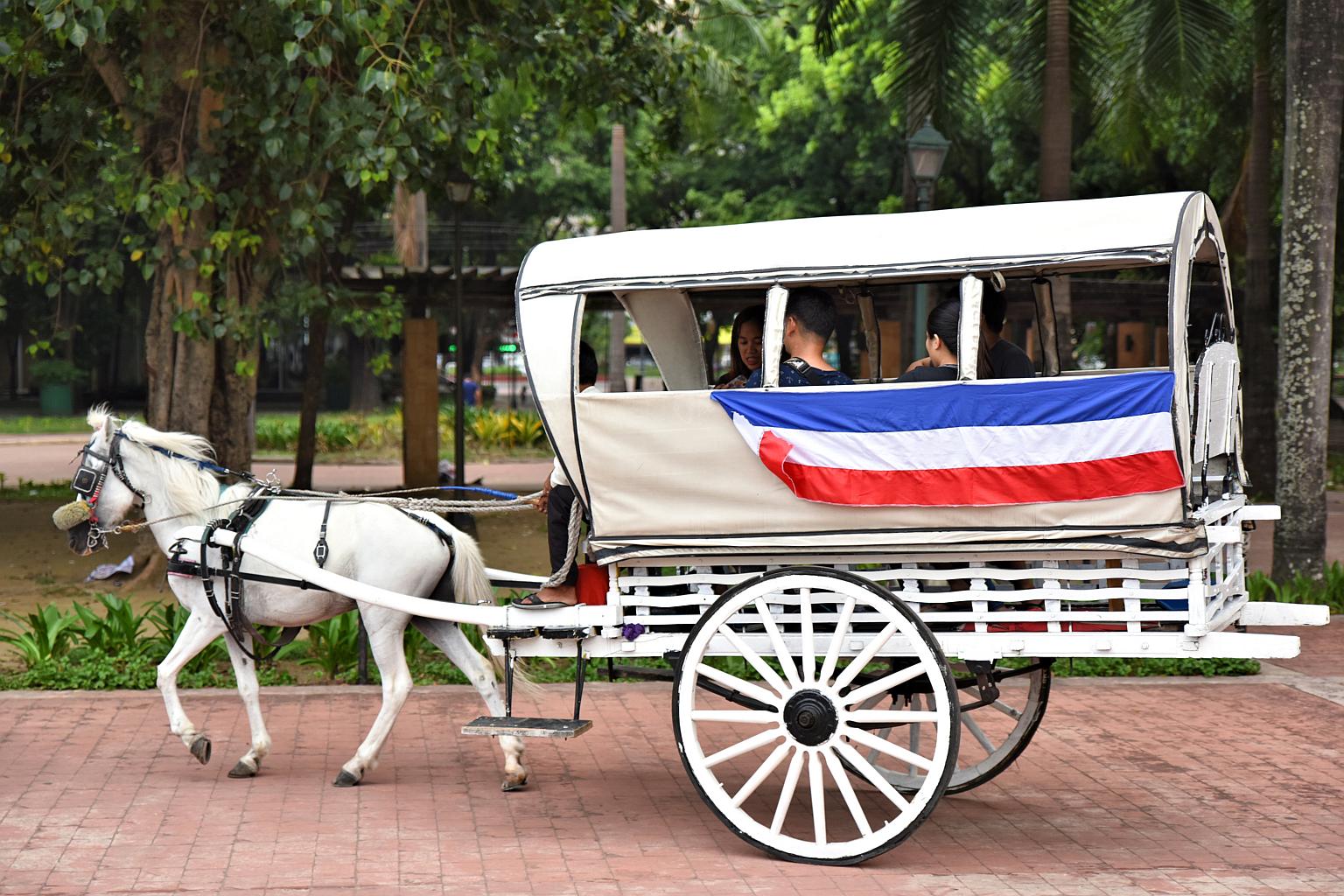
At first glance, it appeared to be a quaint and memorable tourist experience. Outside most of Manila's popular tourist sites, you will find Filipino men offering pleasure rides in their brightly coloured horse-drawn carriages.
Dating from the country's colonial era, these "kalesa" carts are very photogenic, especially against the backdrop of the city's pretty Rizal Park or the European architecture of Intramuros, its magnificent Spanish citadel.
What appears like a charming, fun way to see the sights is anything but. First, the seats of these open-air carriages are very uncomfortable. Secondly, Manila's heavy traffic will douse you in fumes, particularly from Jeepneys, the old American army trucks converted into public buses that are omnipresent.
Thirdly, and of greatest concern, these kalesa are often involved in tourist scams. Nothing elaborate, just old-fashioned swindling.
They have no meters, of course, and the drivers often refuse to provide an approximate fare so that, at journey's end, they can hit tourists with an enormous quote. Or they will provide an initial quote, which they later claim was just a starting price, like the flag-down rate for a taxi, and the overall fare is drastically higher.
3. Bangkok: Floating markets
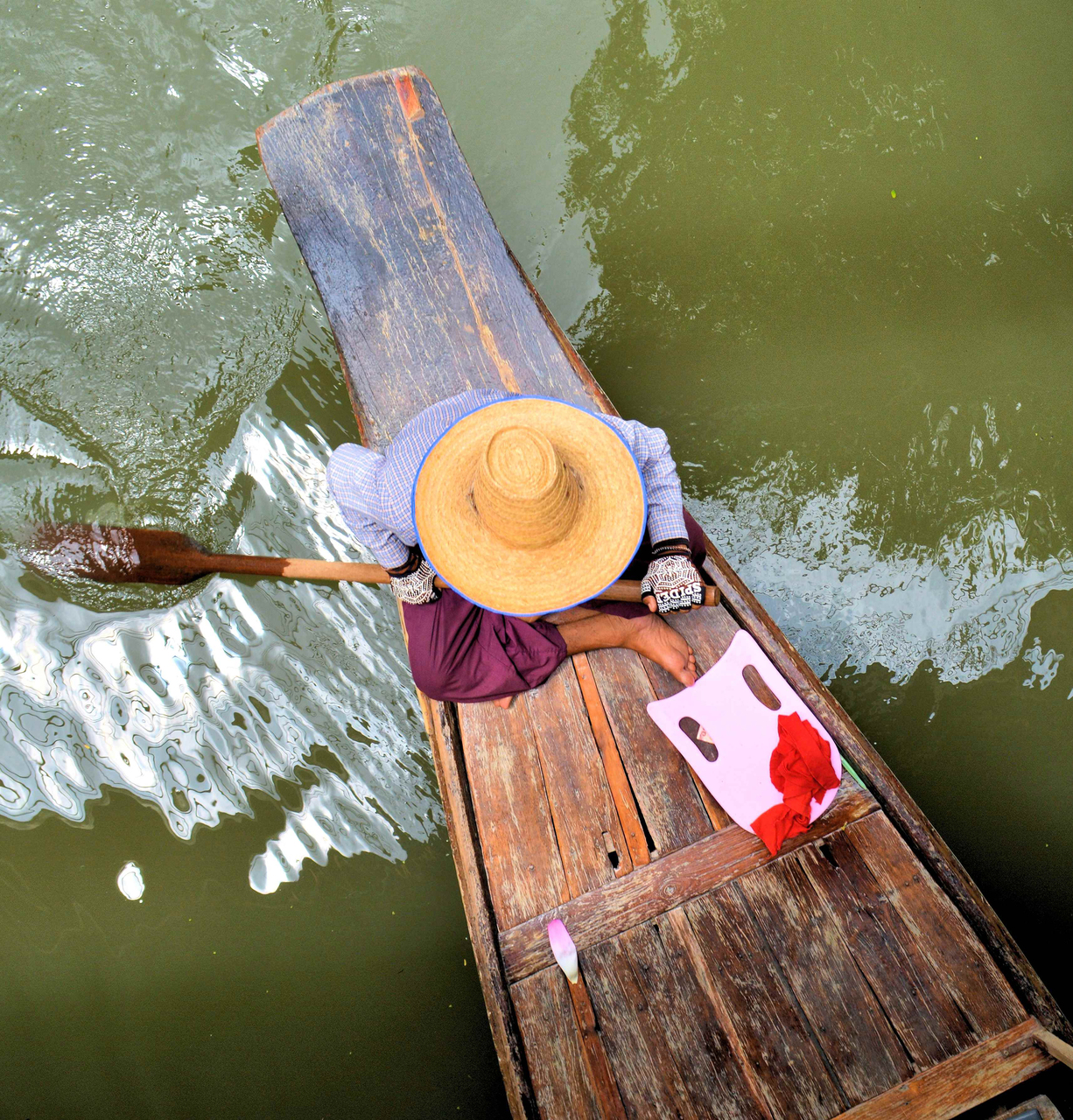
They are advertised in most guesthouses, hotels and travel agencies across Bangkok - day trips to Thailand's famous floating markets.
On the posters, each market looks magical, like a truly authentic Thai experience. Flanked by old wooden buildings, a narrow river brims with small boats, each occupied by vendors selling snacks and fresh produce.
Once upon a time in Thailand, my on-off home of the past decade, there were many local floating markets that were the real deal. I have also visited a genuine floating market in Can Tho in southern Vietnam and it was a wonderful spectacle, with thriving commerce taking place among an exclusively Vietnamese clientele.
By comparison, most of Bangkok's floating markets now exist purely as tourist attractions or as social media backdrops for young Thai people.
Others greatly stretch the definition of a floating market. They are just regular markets plonked next to a muddy canal ("khlong" in Thai), on which there may or may not be a few vendors in boats.
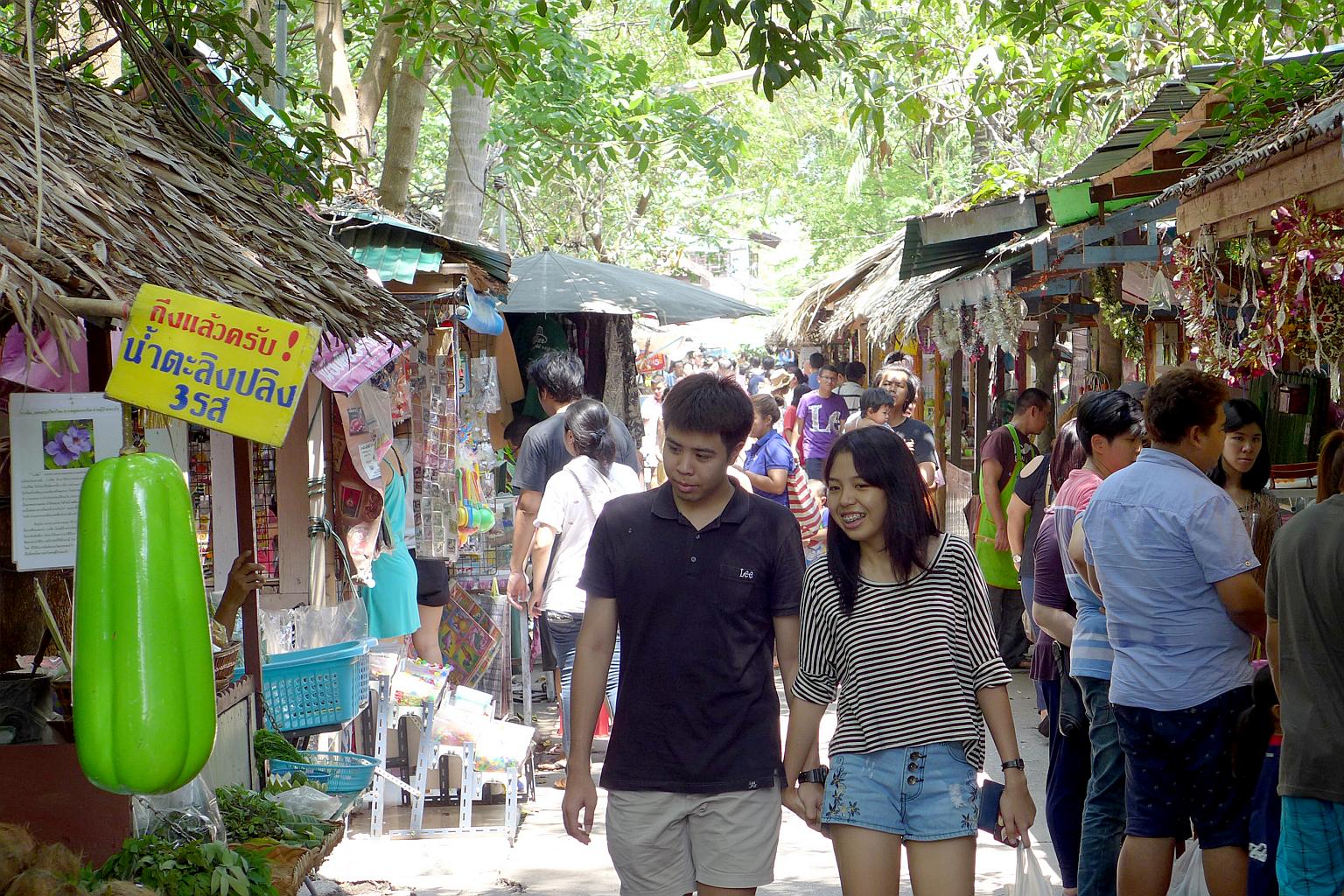
Damnoen Saduak, Amphawa and Taling Chan are the tourist-trap floating markets, crammed with overpriced trinkets and aggressive sellers.
Khlong Lat Mayom, Khlong Bang Luang and Bang Nam Phueng are the ones which are essentially just canal-adjacent markets, although I should say I am a fan of that latter place. Bang Nam Phueng is big and traditional, has amazing food and a good variety of products and owns a pretty location amid the greenery of Bangkok's green lung, Bang Krachao. But it definitely should not be called a floating market.
4. Hoi An: Terrible tailors
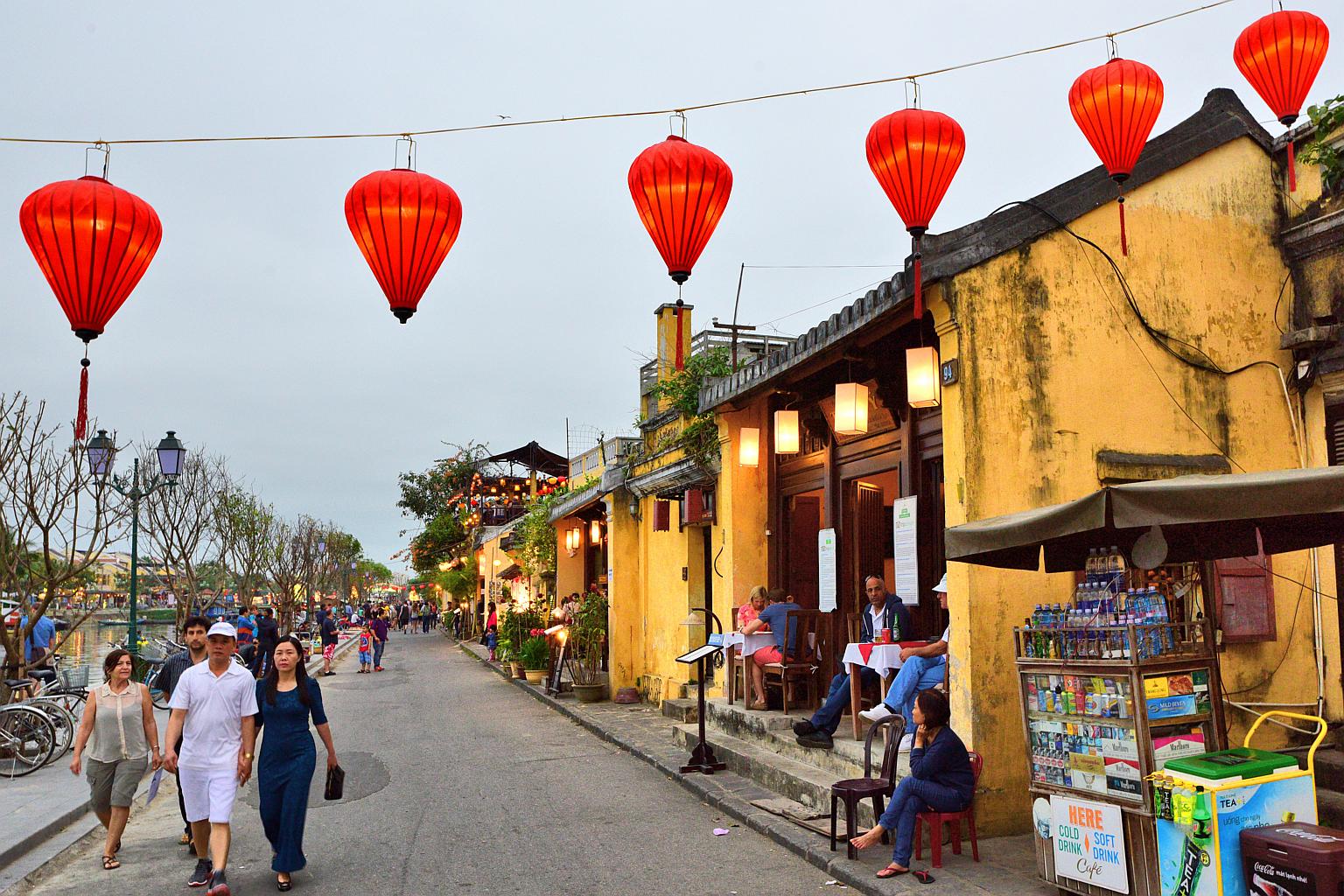
Hoi An is one of Asia's most extraordinary cities, thanks to its Old Town which is Unesco World Heritage-listed.
Embellished by traditional timber-frame buildings, from shophouses to pagodas, it is very graceful in the evening when this riverside precinct is illuminated by thousands of paper lanterns. Those colourful decorations are a local speciality, along with tailor-made clothing.
The latter of those traditions dates back to the 1500s, when Hoi An was a busy trading port doing business with territories in the region and the European colonial powers.
Vietnamese silk was then a major export. So, Hoi An attracted tailors who used this fine material to make garments to be sold in bulk to foreign traders.
Nowadays, Hoi An Old Town is lined with dozens of tailors who largely target tourists. Some of these businesses do terrific work, with rates that reflect the quality. Many others, though, advertise comparatively low prices which match the standard of their output.
Be particularly wary of the many Hoi An tailors that advertise their ability to make bespoke clothes in a 48- or even 24-hour timeframe. Proper tailored clothing cannot be made this swiftly, as it requires multiple fittings.
Those shops use their discounted prices and quick turnarounds to suck in tourists, who end up going home with ill-fitting clothes made from low quality material.
5. Cambodia: Fake orphanages
Eventually, I realised something about the situation just did not feel right.
My taxi driver in Siem Reap had recommended I visit a local orphanage, which he said was in danger of closing down due to a lack of funds. This was early in my travel journalism career, before I became as sceptical as I now am.
Initially, I was glad to help. When we arrived at the neat orphanage, a groups of kids was already waiting for me, and crowded around the car cheering. They took me inside a classroom where we played games with their teacher. Then we ate together in the garden.
After that, the manager of the orphanage asked to speak with me privately. He explained their dire situation and asked for a significant financial donation. I gave him more than $100 in cash.
When I went back outside, the whole atmosphere of the orphanage had changed. The previously bubbly staff were now largely disinterested in me and the children were nowhere to be seen. It felt as if I had just been given a performance, which was now over.
Later, I read several news stories that made me wonder. They explained a rise in fake Cambodian orphanages, where children with parents were brought in to pretend to be orphans, so adult scammers could squeeze money out of tourists.
A few years later, in 2017, the United Nations teamed up with the Cambodian government to crack down on these fraudulent orphanages. Government research found more than 10,000 of the children in orphanages across Cambodia were not real orphans.
There are also many genuine orphanages in Cambodia, which benefit greatly from donations. So, if you do choose to visit such a facility in Cambodia, do your research first.
- Ronan O'Connell is an Australian travel journalist who has spent the last 10 years living on-off in South-east Asia, where he gradually learnt how to live more like a local and less like a gullible tourist.
Comments
Post a Comment