https://www.zaobao.com.sg/news/singapore/story20251209-7937420?ref=article-extended-read
牛车水阿叔阿嫂天天聚唱 律师:或构成公共滋扰
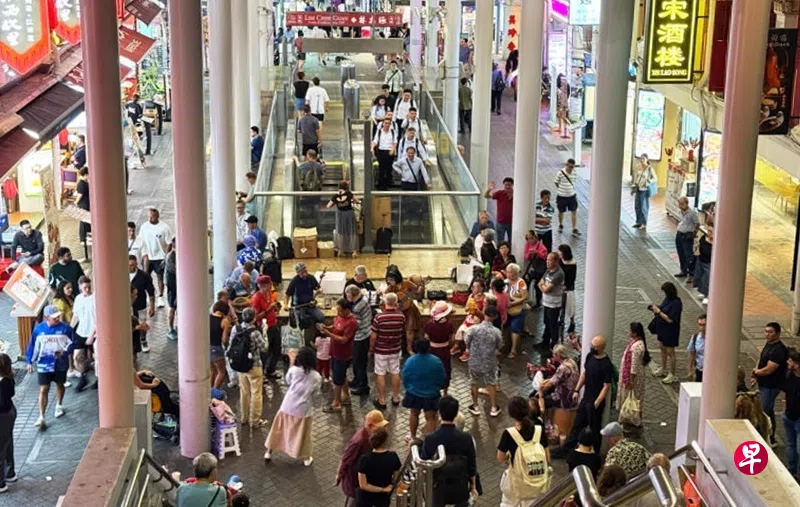
通往宝塔街的牛车水地铁站出口处每晚都有一群阿叔阿嫂唱歌。 (纪允贤摄)
阿叔阿嫂天天在牛车水唱歌,造成商家不满,受访律师说,行为可构成公共滋扰。
《新明日报》星期一(12月8日)报道,通往宝塔街的牛车水地铁站出口处,每晚都有一群阿叔阿嫂唱歌,甚至自备音箱及投影仪,附近商家申诉,生意严重受影响。
附近职员透露,此前已多次投诉,也曾报过警,但每次警察来的时候,他们就收敛一下,过后又再继续。
《新明日报》记者星期一晚上走访时,发现依旧有约10名阿叔阿嫂聚集在这一处,其中一名阿叔还在拉二胡。
对此,赢必胜事务所律师黄国彦受访时认为,这种行为可以构成公共滋扰。“其实,受到影响的人可以报警,或者找议员帮忙。”
正气律师事务所创办人萧锦耀律师同样指出,根据刑事法典第268条公共秩序法,若在公共场合的行为给他人带来不便或滋扰的话,那就已触犯滋扰罪。
完整报道,请翻阅2025年12月9日的《新明日报》。
AI Overview
AI responses may include mistakes. For legal advice, consult a professional. Learn more

AI Overview
+1


Section 268 of the Penal Code (e.g., in Singapore or India) defines the criminal offence of Public Nuisance. It outlines that a person commits this offence if they do any act or illegal omission that causes common injury, danger, or annoyance to the public, or to people in general who dwell or occupy property in the vicinity.
Key Elements of the Offence
- Common Injury or Annoyance: The act must affect the general public or a community, rather than just a single private individual.
- Illegal Omissions: Failing to perform a legal duty that subsequently causes public harm also falls under this section.
- No "Greater Good" Defense: A public nuisance is not legally excused simply because it may cause some convenience or advantage to other individuals.
Examples of Public Nuisance
- Environmental or Noise Pollution: Causing excessive, unreasonable noise or emitting foul odors that disrupt an entire neighborhood.
- Obstruction of Public Spaces: Illegally blocking a public walkway, road, or right-of-way.
- Unsanitary Conditions: Dumping refuse or keeping a property in a condition that attracts pests or creates a severe health hazard.
Penalties
Depending on the exact jurisdiction and the severity of the nuisance, a public nuisance charge can result in a fine, imprisonment, or both. In Singapore, for instance, a public nuisance conviction generally carries a fine, while severe instances that escalate to causing public harm or fake security threats (such as under related nuisance sections like Section 268A) can attract lengthy jail terms and hefty fines.
(Note: If you are located in India, the equivalent law under the Bharatiya Nyaya Sanhita (BNS) is Section 270.)

Comments
Post a Comment