https://thesimplicityhabit.com/clear-store-and-style-a-full-home/
Schedule quarterly reviews: Set calendar reminders to reassess your spaces every few months.
As seasons and needs change, your storage solutions should adapt, too.
Research shows that many people tend to clean reactively when things get out of hand.
Building a simple daily reset routine shifts you from last-minute scrambling to proactive maintenance, reducing stress and keeping your home consistently comfortable.
7 Easy Steps to Clear, Store, and Style a Full Home
Inside: Use these easy steps to clear, store, and style a full home so that you can enjoy your space more.
A guest post by Evelyn Long
When toys spill out of closets, mail piles up on counters, and you can barely open the garage door, it’s no wonder you feel overwhelmed.
A packed home creates daily stress, especially for busy families juggling work, kids, and endless responsibilities.
The good news? You can reclaim your space with simple decluttering strategies, smart storage solutions, and a sustainable plan that actually fits your life.
Use these tips to clear, store, and style a full home to make your space look and function optimally.
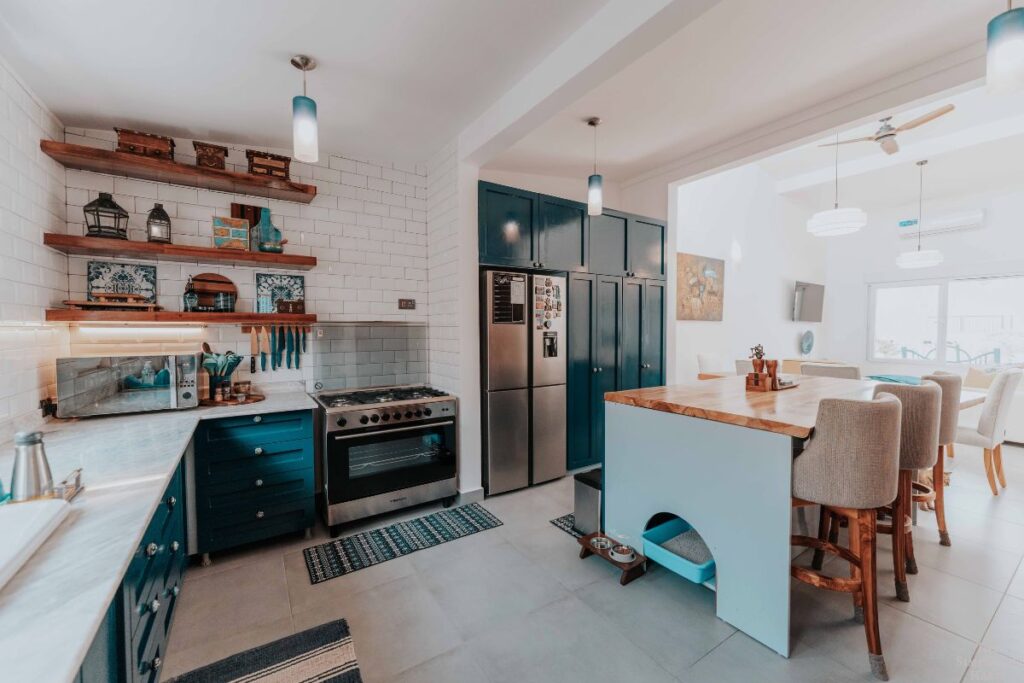
Why a Clutter-Free Home Matters
An organized environment directly impacts your mental well-being and quality of life while also keeping your home looking its best.
Research shows that clutter can reduce your sense of psychological home which is the attachment you feel for your living or working space which can negatively affect your life satisfaction.
Your brain naturally prefers order, so constant visual chaos can wear on you emotionally and increase stress hormones like cortisol. Clutter can cause cognitive overload, weakening your working memory and making it difficult to concentrate.
For busy families, this effect multiplies. You’re already managing schedules, homework, meals, and a dozen other daily tasks.
Creating a tidy home gives you a sense of control and calm that ripples through every part of your day.

7 Easy Steps to Clear, Store, and Style a Full Home
Follow these seven steps to clear, store, and style a full home so that it functions well for you and your family.
1. Re-Evaluate What You Already Own
One of the easiest ways to make your home feel less full is to periodically take a fresh look at what you already have and to focus your efforts on decluttering more rather than just organizing everything.
It’s surprising how quickly our needs and routines can change. Items that were once useful may no longer fit your current lifestyle, while others have quietly been replaced, forgotten, or simply outlived their purpose. Without realizing it, we can end up storing things “just because” rather than because we truly need or use them.
Every few months, take time to walk through your home with fresh eyes. Ask yourself whether the items you’re holding onto still serve a purpose, get used regularly, or bring value to your daily life. If the answer is no, it may be time to let them go.
It’s also helpful to look for duplicates. Extra water bottles, kitchen gadgets, office supplies, linens, or decorative items can slowly accumulate over the years without us noticing. While keeping a few extras can be practical, too many often take up valuable storage space that could be put to better use.
Re-evaluating what you own isn’t about striving for a perfectly minimalist home. It’s about making sure your belongings continue to support the life you’re living today, not the life you lived five years ago or the one you imagine you might live someday.
As your home evolves with you, it becomes easier to keep it organized, more functional, and far less overwhelming to maintain. Often, the best way to create more space isn’t by finding another place to store your things. It’s by realizing you no longer need to store some of them at all.

2. Create Your Step-by-Step Decluttering Plan
Starting the decluttering process feels daunting when stuff surrounds you, but breaking it into manageable steps makes all the difference.
1. Set a clear goal: Decide what you want your space to look and feel like. Whether it’s a functional mudroom or a playroom where kids can actually play, having a vision keeps you motivated.
2. Choose a sorting method: The four-box method is a straightforward approach that works beautifully for families. You label four boxes as keep, store, donate, and trash.
As you work through each room, every item goes into one of these categories. This simple system eliminates the paralysis of wondering what to do with each object.
3. Gather basic supplies: Stock up on boxes, labels, markers, and trash bags before you begin. Having everything ready means you won’t lose momentum when you hit your stride.
You can also try other strategies to find one that better aligns with your routine and lifestyle, such as the ski slope method, where you declutter a single space in a room and move on to the next corner, and so on.

3. Work with What You Have
Once you’ve sorted through your belongings, it’s time to organize what you’re keeping. The right storage solutions turn cluttered spaces into functional areas your family can actually use.
When your home starts to feel full, it’s easy to assume the answer is buying more storage bins, shelving, or furniture. While additional storage can sometimes be helpful, it’s worth taking a closer look at what you already have before bringing anything new into your home.
You may be surprised by how much untapped storage space is already available.
A closet might function better with an extra shelf. Kitchen cabinets may have room for stackable organizers or risers.
The space under your bed, the backs of doors, or the tops of closets can often provide storage for seasonal or less frequently used items. Even rearranging what you already own can help you make better use of the space you have.
Looking at your home with fresh eyes can reveal solutions you hadn’t considered before.
The goal isn’t to hide clutter—it’s to maximize the space you already have in ways that make your home more functional and easier to maintain. When you work with your existing storage before purchasing more, you’ll often find that a little creativity goes a long way.
And if, after decluttering and reorganizing, you still need additional storage, you’ll have a much clearer idea of what will truly serve your home instead of simply adding more to it.
And when it comes to styling, you can decorate your home without adding clutter. It just takes intentionality, creativity, and being selective in what you display.
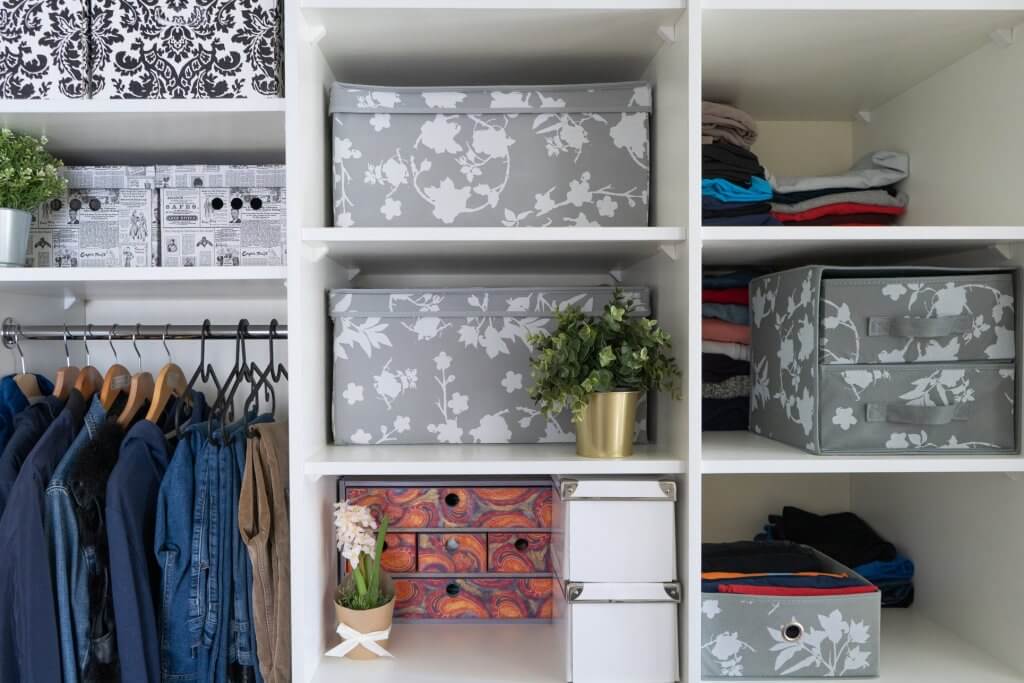
4. Maximize Space in Your Closets
Closets can easily become the place where everything goes to hide. When shelves are overflowing and clothes are packed tightly together, it’s difficult to see what you own, let alone keep the space organized.
Instead of trying to fit more into an already crowded closet, start by removing anything you no longer wear, use, or need. As you create a little breathing room, you’ll have a better sense of how to maximize the space that’s available.
Simple adjustments can make a surprising difference. Slim, matching hangers take up less room than bulky plastic or wooden ones.
Shelf risers can help you use vertical space more efficiently, while hanging organizers make it easier to store shoes, sweaters, handbags, or accessories without taking up additional floor space. You might also consider adding a second hanging rod if your closet has a lot of unused space beneath shorter clothing items.
Another helpful habit is to store items by category. Keep similar pieces together, whether it’s shirts, pants, dresses, or seasonal clothing. Not only does this make it easier to find what you’re looking for, but it also helps you see if you have more of something than you realized.
If your closet still feels cramped after reorganizing, it may be worth asking whether it’s holding items that belong somewhere else. Seasonal clothing or rarely used items may be better stored away for the season, freeing up valuable closet space for the things you reach for every day.
A well-organized closet isn’t about fitting in as much as possible. It’s about creating a space that’s easy to use, simple to maintain, and filled with clothes and belongings that support your everyday life.
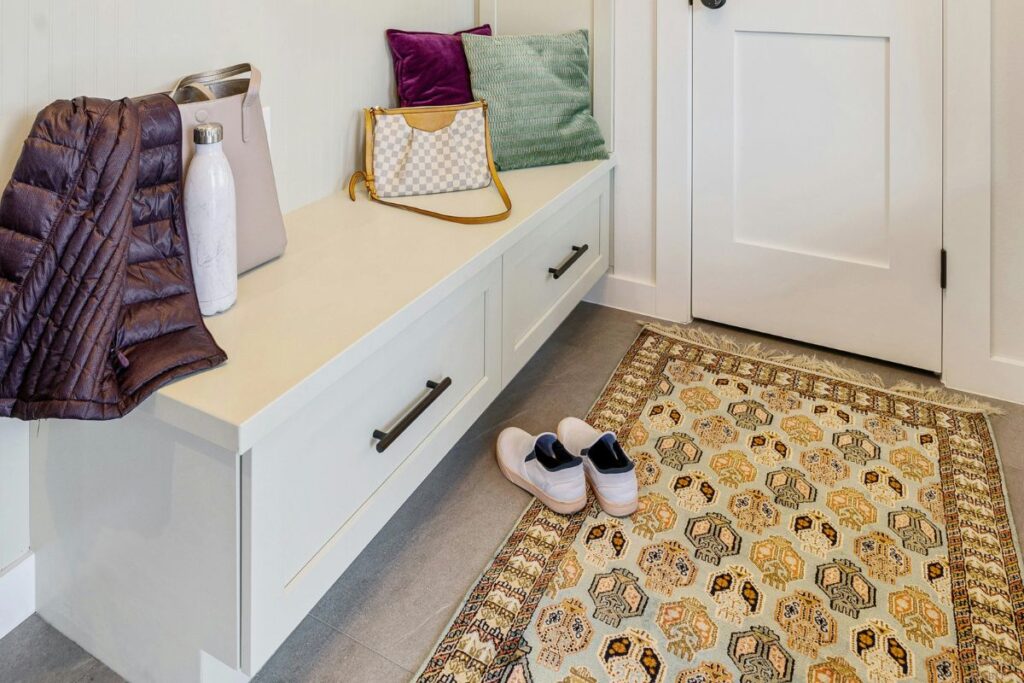
5. Use Multipurpose Furniture
When space is limited, every piece of furniture should earn its place.
One of the easiest ways to maximize a full home is to choose furniture that serves more than one purpose. Instead of filling a room with extra storage cabinets or bulky organizers, look for pieces that combine function with hidden storage.
Some examples of multipurpose furniture are a storage ottoman that can hold blankets while also providing extra seating, a coffee table with drawers or shelves to store books and remotes, and a bench that can open to hide extra linens or pillows inside.
The beauty of multipurpose furniture is that it helps you make better use of the space you already have without making your home feel crowded. Rather than adding more pieces to solve a storage problem, you’re allowing one piece to do the work of two.
However, multipurpose furniture isn’t an excuse to keep more than you need. It’s most effective when paired with intentional decluttering and thoughtful organization. When you combine the two, your home becomes more functional, more spacious, and much easier to enjoy.

6. Use the Right Bins and Baskets
One of the easiest ways to stay ahead of clutter is making sure every item has a designated place.
When something doesn’t have a home, it usually ends up wherever it was last used. That’s how kitchen counters become crowded and dining tables slowly disappear beneath piles.
Sometimes organizing becomes more difficult than it needs to be because we store things where we think they belong instead of where we actually use them. The goal is to create organizational systems that work with our natural habits to make them easier to maintain.
Clear bins work perfectly in food storage areas so you can see what you have at a glance. Durable fabric baskets soften kids’ spaces while standing up to daily use.
Giving every item a specific container makes it simple to find things and, more importantly, easy to put them away.
When storage matches your natural routines, putting things away becomes much more automatic. A functional home isn’t built around perfection. It’s built around the way your family really lives.
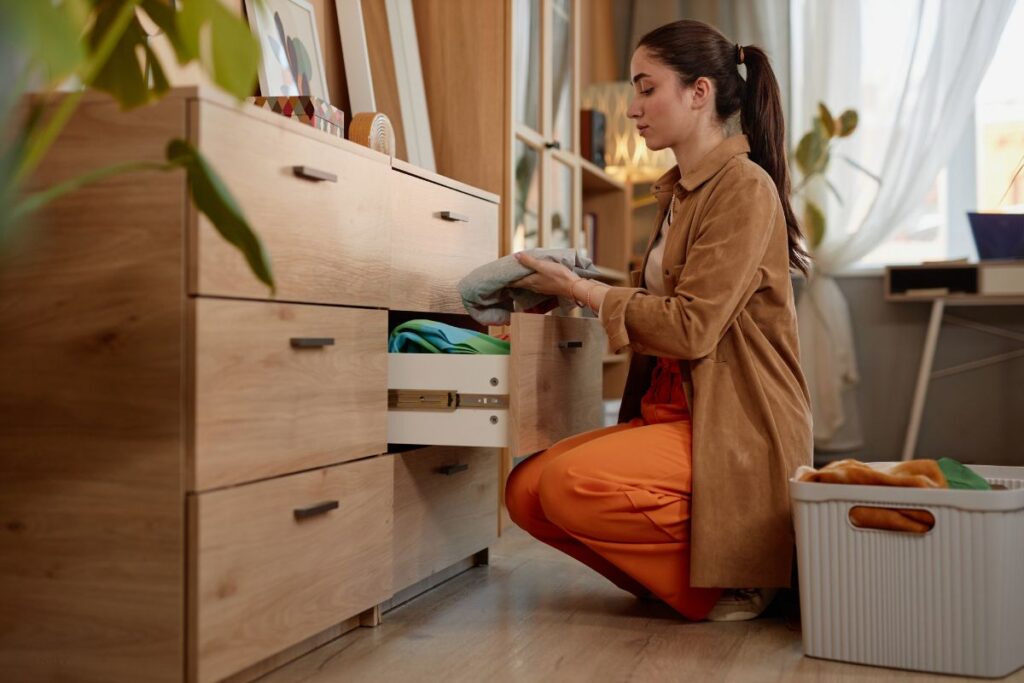
7. Maintain Your Newly Organized Space
You can organize your home in a weekend, but keeping it that way requires building sustainable daily habits. These simple practices help busy families maintain their hard-won order:
Do a 10-minute reset each evening: Before bed, spend just 10 minutes doing a daily reset and returning items to their designated spots. This prevents small messes from snowballing into overwhelming clutter.
Create drop zones: Designate specific spots near entryways for keys, backpacks and mail. When everything has a landing place, family members know exactly where things go.
Follow the one-in-one-out rule: When you bring something new into your home, get rid of something (or donate two things) that’s similar. This practice keeps your belongings from creeping back up to overwhelming levels.
Schedule quarterly reviews: Set calendar reminders to reassess your spaces every few months. As seasons and needs change, your storage solutions should adapt, too.
Research shows that many people tend to clean reactively when things get out of hand. Building a simple daily reset routine shifts you from last-minute scrambling to proactive maintenance, reducing stress and keeping your home consistently comfortable.

Embrace the Calm of a Clutter-Free Home
A clutter-free home means creating an environment where your family can relax, find what they need, and enjoy their time together without constant visual chaos. Whether you use a storage container rental, a custom closet, or labeled plastic totes, you are only a few steps away from an organized home.
Understanding the psychological benefits of decluttering, following a simple action plan and using the right storage solutions inside and outside your home will help you transform overwhelming spaces into calm, functional areas.

Evelyn Long is a home organization writer who helps homeowners and renters maintain a neat space through innovative decluttering tips. She has written for several other publications, including the National Association of Realtors and DecorMatters. She is also the editor-in-chief of Renovated Magazine, where she shares additional tips on decluttering and home organization.
Comments
Post a Comment